
Community
North Texas man dead following auto-bicyclist accident, police say
By Amira Patel
Advertisement · Why this ad?
Nia, a graduate of the University of Dallas, has been covering housing and urban development for nearly four years. Her work has appeared in various local publications, where she delves into the challenges of affordable housing and urban policy in Dallas.
More from Nia →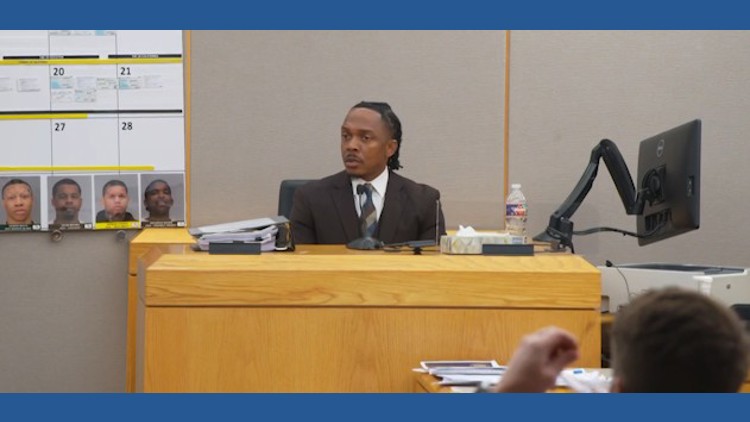
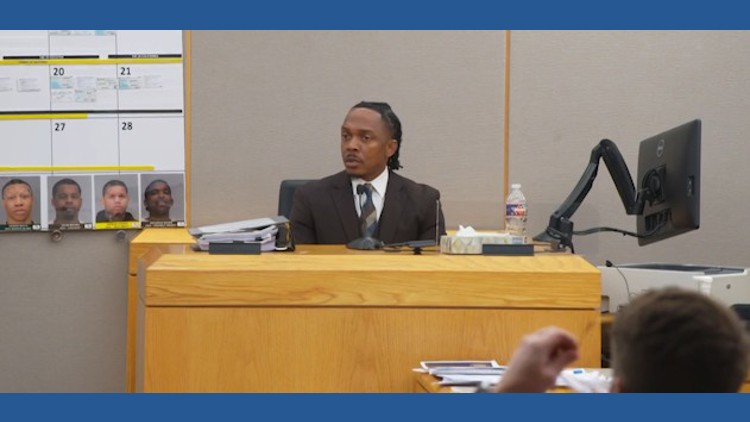
As the courtroom filled with anticipation, the tension was palpable. Families, friends, and fans of the late rapper Mo3 sat side by side, all waiting for the truth to unfold. The lead detective of the Dallas Police Department, who had dedicated countless hours to the case, took the stand to recount the harrowing events surrounding Mo3's tragic murder in November 2020. His testimony would not only shed light on the investigation but also on the ripple effects this loss had on the community.
On the fateful day of November 11, 2020, the Dallas rap scene was shaken to its core when Mo3, whose real name was Melvin Noble, was shot and killed on the Interstate 35E. The news spread like wildfire, leaving fans and fellow artists in disbelief. In the courtroom, Detective John Smith detailed the moment he received the call about the murder, recalling the immediate sense of urgency that enveloped the police department.
“When I got the call, I knew it was serious,” Detective Smith said. “Mo3 was not just a local artist; he was a voice for many in our community.” The detective explained how the investigation quickly took shape, with numerous witnesses coming forward and the community rallying to support the police efforts.
As the investigation unfolded, it became clear that Mo3's death was not just another statistic; it was a tragic loss that resonated deeply within the Dallas community. The detective highlighted the challenges faced during the investigation, including the need for cooperation from the public and the emotional toll it took on those involved.
The murder of Mo3 sent shockwaves through Dallas, igniting conversations about violence and safety in the city. Fans held vigils, and fellow artists paid tribute to his legacy, highlighting the impact he had on the music scene and the lives he touched. In the days following his death, community leaders began to speak out about the need for change.
“We cannot let this loss be in vain,” said local activist Maria Gonzalez during a vigil. “Mo3 represented hope for many, and we owe it to him to fight for a safer community.” These sentiments echoed throughout the city, with many calling for increased efforts to address gun violence and support for at-risk youth.
As the community mourned, music became a source of healing. Local artists organized benefit concerts, with proceeds going to anti-violence initiatives and youth programs. The Dallas music scene rallied together, showcasing the power of unity in the face of tragedy. “Mo3’s music spoke to our struggles and our dreams,” said fellow artist Yella Beezy, who has been vocal about the need for change. “We need to keep his memory alive and use our voices to make a difference.”
Artists like Yella Beezy, along with others such as Trapboy Freddy and Asian Doll, came together to create an album dedicated to Mo3, the proceeds of which would directly support local charities that focus on youth mentorship and violence prevention. This collaboration not only honored Mo3's legacy but also served as a powerful reminder of the potential for music to inspire change and foster community solidarity.
Detective Smith's testimony highlighted the complexities of the investigation. With numerous leads and potential suspects, the detective explained how vital it was to piece together the timeline of events leading up to Mo3’s death. “Every detail mattered,” he stated, emphasizing the importance of forensic evidence and witness statements.
The detective also addressed the emotional challenges faced by his team, noting how the loss of a prominent figure like Mo3 impacted not only the community but also the officers tasked with solving the case. “It’s hard not to take it personally,” he admitted. “We want justice for Mo3 and his family.”
As the investigation progressed, the police faced significant hurdles, including a lack of cooperation from some witnesses who feared retaliation. This reality reflects a broader issue in many urban communities where distrust in law enforcement can hinder justice. Detective Smith emphasized the importance of rebuilding that trust, stating, “We need the community to know we are here to protect and serve, not to judge.”
As the trial continues, the community remains hopeful for justice. Many residents are looking for closure, not just for Mo3’s family but for everyone affected by violence in Dallas. The trial serves as a reminder of the work that still needs to be done to create a safer environment for all.
Local leaders are pushing for initiatives that focus on community engagement and violence prevention. Programs aimed at mentoring youth and providing resources for families are gaining traction, as residents seek to build a more supportive community. “We need to invest in our young people,” said community leader James Wright. “They are the future, and we owe it to them to provide opportunities.”
In addition to mentorship programs, community forums are being organized to facilitate open discussions about violence and safety. These forums aim to empower residents to voice their concerns and collaborate with local authorities to develop actionable solutions. “This isn’t just about one incident; it’s about creating a culture of safety and support,” said activist Maria Gonzalez, who has been instrumental in organizing these events.
The impact of Mo3’s death will be felt for years to come, but his legacy can serve as a catalyst for change. As the trial unfolds, community members are encouraged to come together, support one another, and advocate for the changes needed to prevent future tragedies. The hope is that through unity and resilience, the Dallas community can emerge stronger and more committed to fostering a safe environment for families.
In the end, the quest for justice is not just about one individual; it’s about the collective responsibility to ensure that all families can thrive in a safe and nurturing community. As the trial progresses, the voices of those who loved Mo3 will continue to resonate, reminding everyone of the importance of love, commitment, and the pursuit of a brighter future.
As the community rallies together, there is a growing sense of hope that through concerted efforts, they can not only honor Mo3's memory but also forge a path toward a safer and more united Dallas. The journey ahead may be long, but it is one that many are willing to take, fueled by the belief that change is possible.
By Amira Patel

By Gregory White
By Jamal Robinson
By Miguel Torres