
Community
How to watch live Texas midterm election results, reaction, analysis on WFAA
By Tommy Lee
Advertisement · Why this ad?
After earning his MBA from Southern Methodist University, Tommy spent a decade as a business reporter for the Dallas Morning News. His expertise lies in analyzing economic trends and their impacts on local businesses, making complex subjects understandable for everyday readers.
More from Tommy →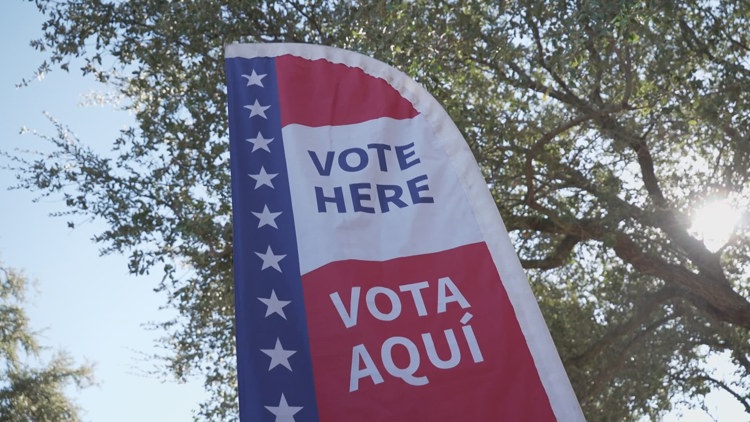
As the sun dipped below the horizon on a brisk evening in early November, the atmosphere around polling places in Dallas was electric. Families, friends, and neighbors gathered, sharing stories and excitement over the opportunity to participate in democracy. Among them was Maria Gonzalez, a mother of three, who proudly held her children’s hands as they approached the voting booth. "I want to teach them the importance of civic duty," she said, her voice filled with determination. This scene was not unique; it was a snapshot of a larger movement across Texas, where over 7.4 million residents cast their votes during the early voting period of the midterm elections.
According to reports from the Texas Secretary of State, the early voting turnout for the midterm elections was remarkable, with approximately 7.4 million Texans participating. This figure represents nearly 50% of the registered voters in the state, a significant increase compared to previous elections. In North Texas alone, around 1.7 million individuals exercised their right to vote early, showcasing a strong commitment to civic engagement.
The early voting period began on October 24 and ran through November 4, allowing Texans ample opportunity to make their voices heard before Election Day on November 8. The surge in early voting can be attributed to various factors, including increased voter awareness campaigns and the accessibility of polling locations across the state.
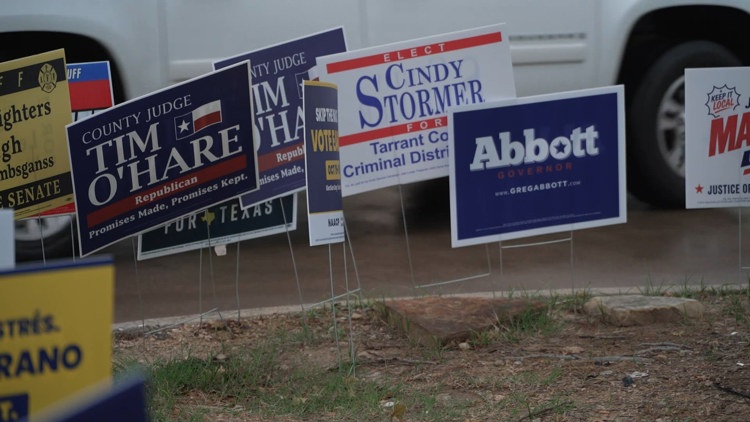
Local election officials noted that the high turnout could also be linked to the contentious nature of the elections, which included key races for the U.S. Senate and the Texas House of Representatives. Voter sentiment was palpable, as many residents expressed their desire for change and a need to address pressing issues such as education, healthcare, and public safety.
The response from the community has been overwhelmingly positive, reflecting a renewed sense of civic duty among Texans. Local leaders and organizations worked tirelessly to promote early voting, emphasizing its importance in shaping the future of the state. "This is what democracy looks like," said Dallas Mayor Eric Johnson, highlighting the significance of voter participation. "When people engage in the electoral process, it strengthens our community and our values."
Community groups played a crucial role in mobilizing voters, utilizing social media campaigns and grassroots efforts to encourage participation. Nonprofits such as the Vote.org and local chapters of the League of Women Voters organized events and provided resources to help residents navigate the voting process. These organizations not only informed voters about the logistics of early voting but also educated them on the issues at stake, ensuring that they could make informed decisions.
Families like the Gonzalezes exemplify the impact of these efforts. Maria reflected on the experience, stating, "It was empowering to vote as a family. We felt connected to our community and to each other." Her sentiment resonates with many who believe that participating in elections is not just a right but also a responsibility that strengthens family bonds and community ties. Maria's children, ages 8, 10, and 12, expressed excitement about casting their votes, even though they were not old enough to vote themselves. "I can't wait until I can vote!" exclaimed her eldest, envisioning a future where he could influence the direction of his community.
As the dust settles from the midterm elections, the focus shifts to the implications of this historic turnout. With the election results expected to influence policies and programs at both the state and national levels, the conversations that began during the early voting period will continue to shape discussions in households and community forums. Local leaders are already planning town hall meetings to discuss the results and the path forward, ensuring that constituents remain engaged in the political process.
Political analysts predict that the high voter turnout could lead to significant changes in representation, particularly in areas that have historically low engagement. The impact of these elections will likely be felt in local communities, as newly elected officials take office and begin addressing the issues that matter most to their constituents. For instance, local educators are hopeful that the newly elected officials will prioritize funding for public schools, which has been a major concern for families across the state.
Moreover, the success of early voting this year may pave the way for future elections, prompting lawmakers to consider expanding access to voting and implementing more measures to encourage participation. The Texas Secretary of State's office is already reviewing data from this election cycle to assess the effectiveness of early voting initiatives. Feedback from voters will be crucial in shaping these discussions, as many individuals have expressed a desire for even more accessible voting options in the future.
The significance of this early voting surge extends beyond mere numbers; it reflects a growing awareness and commitment to civic engagement among Texans. In a state where family values and community involvement are paramount, the ability to vote is intertwined with the fabric of society. The act of voting serves as a foundation for strong marriages, intact families, and authentic faith.
When families engage in the electoral process together, they reinforce the importance of shared values and collective responsibility. This is particularly important in a time when division and polarization are prevalent in national discourse. As families gather at the polls, they not only exercise their rights but also set an example for future generations. Local schools are even incorporating lessons about the voting process into their curricula, fostering a culture of civic responsibility among younger generations.
Furthermore, the increase in voter participation highlights the desire for stability and progress in Texas communities. Residents are eager to see their elected officials address issues that affect their daily lives, from education reform to healthcare accessibility. The commitment to voting early signifies a proactive approach to shaping the future, ensuring that the voices of families and individuals are heard. Local businesses are also taking note, with many offering incentives for employees who participate in elections, further embedding civic engagement into the community's culture.
For those looking to continue their engagement beyond the midterm elections, various resources are available to help Texans stay informed and involved. The Vote Texas website offers comprehensive information on upcoming elections, voter registration, and ways to participate in local governance.
Additionally, community organizations like the Texas Impact provide resources for voters interested in advocacy and civic engagement. These organizations work to empower individuals and families to take an active role in shaping policies that impact their communities. Workshops and informational sessions are being planned to help residents understand the electoral process better and to prepare them for future elections.
As we look ahead, it is crucial for Texans to remain engaged and informed, not just during election cycles but throughout the year. By fostering a culture of civic responsibility, communities can continue to thrive and uphold the values that make Texas a great place to live. In doing so, they ensure that the spirit of democracy remains vibrant and that the voices of all Texans continue to be heard.
By Tommy Lee

By Gregory White
By Rachel Gonzalez

By Gregory White