
Community
North Texas man killed in West Dallas shooting, police say
By Carmen Silva
Advertisement · Why this ad?
Holding a degree from the University of Texas at Arlington, Gregory has spent over five years investigating local transit issues. He previously worked for the Fort Worth Star-Telegram and is dedicated to illuminating how transportation shapes community life in Dallas.
More from Gregory →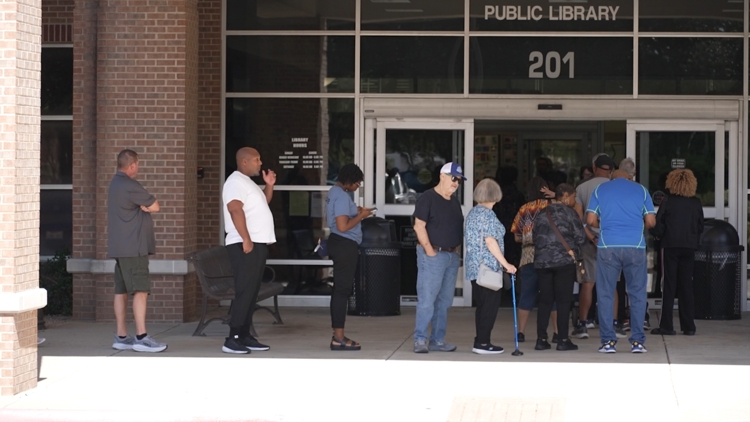
As the sun began to rise over North Texas, long lines formed outside polling locations, a testament to the civic engagement of residents eager to make their voices heard. Among those waiting was Maria Gonzalez, a mother of three, clutching her coffee cup tightly as she recounted how she had brought her children along to witness democracy in action. "I want them to understand the importance of voting. It’s not just about us; it’s about their future too," she said, her voice filled with conviction. Maria's commitment to instilling civic responsibility in her children reflects a broader trend in North Texas, where families are increasingly making voting a communal activity.
This year’s early voting period in North Texas has seen an unprecedented turnout, with over 1.87 million ballots cast across the region. This figure represents a staggering increase of more than 400,000 compared to the early voting totals from the 2018 midterm elections. The surge in participation reflects a growing trend of civic engagement among communities in Dallas, Tarrant, Collin, and Denton counties, demonstrating an eagerness to take part in the democratic process. The increase in voter turnout is particularly significant given the challenges posed by the ongoing pandemic and the heightened political climate.
According to the Dallas County Elections Department, early voting began on October 13 and will run until October 30, providing ample opportunity for residents to cast their votes ahead of the November 8 election. In Dallas County alone, more than 600,000 early ballots have been cast, marking a significant increase from previous elections. This spike in participation has been attributed to various factors, including increased voter outreach efforts, the mobilization of grassroots organizations, and heightened awareness of issues affecting local communities.
In examining the polling locations across the four counties, it is clear that certain sites have emerged as hotspots for voter turnout. Notably, the Tarrant County polling site at the Fort Worth Convention Center has recorded the highest number of votes, with over 75,000 ballots cast as of the latest reports. In contrast, some locations in rural areas have seen significantly fewer participants, raising questions about accessibility and engagement. The disparity in turnout raises important discussions about how to effectively reach and engage voters in less populated areas.
“It’s encouraging to see so many people participating, but we still need to address the disparities in turnout across different areas,” said John Smith, a local political analyst. “Every vote counts, and we must ensure that everyone has the opportunity to be heard.” This sentiment is echoed by many local leaders who are advocating for more resources to be allocated to underrepresented communities to ensure equitable access to the ballot box.
The demographics of those participating in early voting reveal a diverse mix of voters. While traditionally younger voters have been less likely to vote in midterm elections, this year has seen a marked increase in participation among younger age groups. According to the U.S. Census Bureau, voters aged 18-29 accounted for nearly 30% of early ballots cast this year, a significant rise from previous elections. This increase is particularly noteworthy given the efforts by various organizations to engage young voters through social media campaigns, educational workshops, and community events.
Maria Gonzalez, who is part of this younger demographic, expressed her hope that her children would grow up in a world where civic duty is a priority. “I want them to see that their voices matter,” she remarked. “Voting is how we can make changes in our community.” Her perspective is shared by many young voters who are increasingly aware of the impact their vote can have on issues such as education, healthcare, and climate change.
The community's reaction to the early voting turnout has been overwhelmingly positive. Local leaders and activists have praised the increased participation as a sign of a healthy democracy. “This is what we want to see—people engaged and taking ownership of their future,” said Mayor Eric Johnson of Dallas during a recent press conference. His comments reflect a broader sentiment among elected officials who recognize the importance of voter engagement in shaping policy and representation.
However, challenges remain. Some voters have reported long wait times at certain polling locations, which can be discouraging. “I waited in line for almost an hour, but I didn’t mind because I knew it was important,” said David Tran, a first-time voter. “But I can see how that might turn some people away.” His experience highlights the need for better resource allocation at polling places to ensure that all voters can cast their ballots efficiently.
As the early voting period continues, officials are working to address accessibility issues at polling places. The Collin County Elections Office has announced plans to extend voting hours at select locations to accommodate those who may have difficulties getting to the polls during regular hours. This initiative is part of a broader effort to ensure that all residents, regardless of their circumstances, have the opportunity to participate in the electoral process.
Community organizations are also stepping up to ensure that every voice is heard. Groups like the League of Women Voters have mobilized volunteers to assist voters and provide information on polling locations and voting rights. Their efforts have been crucial in educating voters about the importance of their participation and the resources available to them.
As we approach the final days of early voting, the focus will shift to ensuring that all eligible voters have the opportunity to make their voices heard. The final tally of early votes will play a crucial role in shaping the upcoming election results, and community leaders are urging residents to remain engaged. The stakes are high, as this election could have significant implications for local governance, education funding, and public health initiatives.
“Every vote is important, and we want to encourage everyone to participate,” said Tarrant County Elections Administrator, Heider Garcia. “The energy we’re seeing is inspiring, and we hope it continues through Election Day.” His remarks underline the importance of sustained voter engagement and the need for continued efforts to mobilize communities.
With the election just around the corner, the sense of urgency is palpable. Residents like Maria Gonzalez are determined to set an example for future generations. “I want my kids to know that voting is not just a right; it’s a responsibility,” she emphasized. “And we will be here, every election, making our voices heard.” As North Texas gears up for Election Day, the community's commitment to civic engagement is stronger than ever, signaling a hopeful future for democracy in the region.
By Carmen Silva
By Jamal Robinson
By Lindsey Harper
By Gregory White