Community
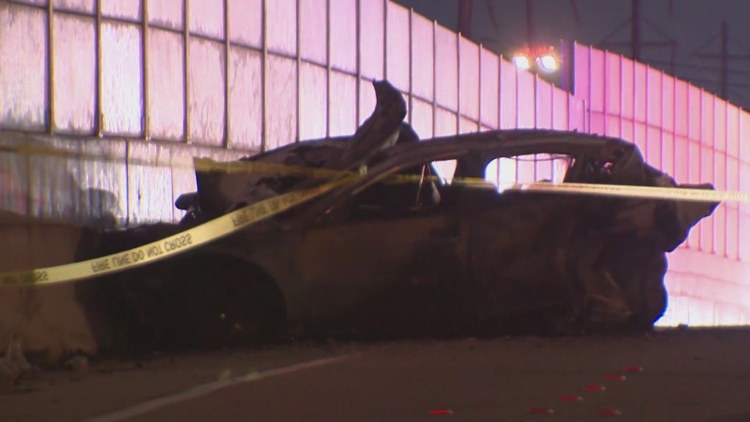
'He killed that family': Fort Worth man sentenced to 68 years for 2024 DWI crash that killed five
By Gregory White
Advertisement · Why this ad?
Holding a degree from the University of Texas at Arlington, Gregory has spent over five years investigating local transit issues. He previously worked for the Fort Worth Star-Telegram and is dedicated to illuminating how transportation shapes community life in Dallas.
More from Gregory →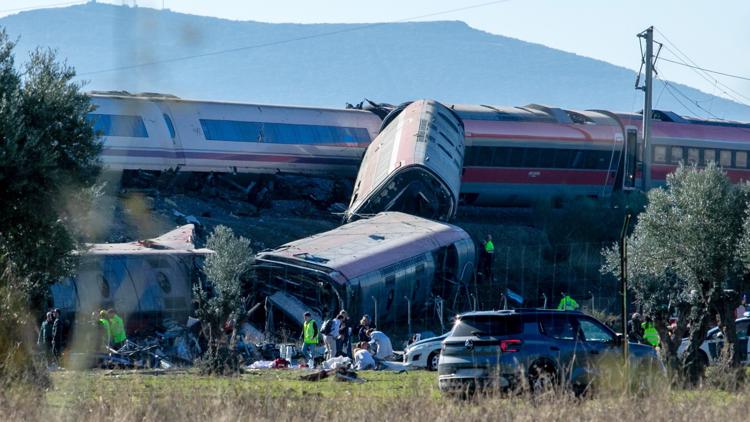
On a sun-drenched Wednesday afternoon in Spain, the unthinkable happened. A high-speed train, barreling down the tracks at breakneck speed, collided with the rear of a stationary train, sending shockwaves of horror across the nation. The tragedy claimed at least 68 lives, leaving families shattered and communities mourning.
The catastrophic crash occurred near the town of Santiago de Compostela, a popular pilgrimage destination. Witnesses described the moment as surreal; the sound of metal grinding against metal echoed through the air as the high-speed train failed to stop in time. Emergency services were swift to respond, but the scene was grim. Two cars derailed, and the wreckage was strewn across the tracks, a stark reminder of the fragility of life.
Initial reports indicate that the high-speed train was traveling at an excessive velocity when it struck the stationary train, which had come to a halt due to a mechanical issue. The collision occurred around 8:40 PM local time, just as many passengers were settling in for their journey. The aftermath was chaotic, with first responders working tirelessly to rescue survivors and recover the deceased.
The news of the crash reverberated across Spain and beyond, igniting a wave of grief and disbelief. Families gathered at hospitals, anxiously waiting for news of their loved ones. In the days following the tragedy, vigils were held across the country, with candles lit in memory of those lost. In Madrid, thousands gathered in the Plaza Mayor, united in their sorrow and support for the victims’ families.
Among the mourners was Maria Gonzalez, a local resident who lost her brother in the crash. “He was just coming home for the holidays,” she said, her voice trembling with emotion. “Now, our family is forever changed.” Stories like Maria's are echoed in communities across Spain, as the impact of this disaster ripples through families and friendships. Many of those affected were young professionals traveling for work or students returning home, amplifying the tragedy's reach.
Local officials have expressed their condolences and promised thorough investigations into the incident. “This is a tragedy that should never have happened,” said Santiago Mayor, Javier Fernández. “We will ensure that those responsible are held accountable.” The mayor's office has set up a support hotline for families affected by the crash, providing resources and assistance in navigating the aftermath.
As the investigation unfolds, questions loom large. How could a high-speed train, equipped with advanced safety systems, collide with a stationary train? Initial findings suggest a potential failure in communication between train operators and control centers, a critical lapse that contributed to the disaster. Experts are calling for a comprehensive review of the safety protocols currently in place across Spain's rail network.
Spain's high-speed rail system, known for its efficiency and safety, has come under scrutiny. The government has pledged to review existing protocols and implement necessary changes to prevent future tragedies. “We owe it to the victims and their families to ensure this does not happen again,” stated Transportation Minister, Ana Pastor. Public forums are being organized to allow citizens to voice their concerns and suggestions regarding rail safety improvements.
The human toll of the crash extends far beyond the immediate loss of life. Families are left to grapple with the aftermath, facing not only the emotional burden but also the financial implications of such a tragedy. Many were traveling for work or to visit relatives, and now they must navigate a world forever altered. Grieving families are not only mourning the loss of loved ones but are also confronted with the daunting task of funeral arrangements and potential medical bills for those injured.
In the days following the crash, local businesses in Santiago de Compostela reported a decline in foot traffic, as the community mourned. “It’s hard to celebrate life when so many are grieving,” said local shop owner, Carlos Ruiz. “We are all in this together.” Community engagement has surged, with many local establishments offering discounts to families affected by the tragedy and donating a portion of their profits to support relief efforts.
In response to the tragedy, various organizations have stepped up to provide support to the affected families. The Spanish Red Cross has mobilized teams to assist with counseling and logistical support for those impacted. “We are here to help in any way we can,” said a Red Cross representative. “No one should face this alone.” They have set up temporary shelters for families who may have lost their homes or need a place to stay during the recovery process.
Additionally, community leaders are organizing fundraisers to help families cope with funeral expenses and other costs. “It’s a time for us to come together as a community,” said local council member, Elena Martinez. “We need to support each other through this dark time.” Local schools are also stepping in, offering grief counseling and support services for students who may have lost friends or family members in the crash.
As Spain begins the long process of healing, the focus will shift to ensuring accountability and implementing changes to improve safety measures across the rail network. The investigation will likely take months, with findings expected to influence policy decisions at both local and national levels. Furthermore, a national day of mourning has been declared, allowing citizens to pay their respects and reflect on the lives lost.
For the families affected by this tragedy, the road ahead will be fraught with challenges. Yet, amidst the sorrow, there is a glimmer of hope as communities unite to support one another. In the face of unimaginable loss, the resilience of the human spirit shines through, reminding us of the importance of family and community in times of crisis. As the nation mourns, there is a collective commitment to ensuring that such a tragedy never happens again, fostering a renewed sense of vigilance and care within the transportation systems.
In the wake of such devastation, personal stories of resilience are emerging, showcasing the strength of the human spirit. Many survivors of the crash have begun sharing their experiences, recounting the harrowing moments that led up to the collision. For instance, Javier Martinez, a passenger who survived the crash, described how he narrowly escaped injury. “I was sitting in the front car, and when the impact happened, it felt like the world was ending,” he recalled. “But I managed to get out and help others. It was a moment of pure instinct.”
These stories serve as a reminder of the bravery and solidarity that can arise in the darkest of times. Local artists and writers are also stepping up, using their platforms to honor the victims and share messages of hope and healing. Art exhibits and poetry readings are being organized to foster community healing and reflection, allowing people to process their grief collectively.
The media has played a crucial role in informing the public about the developments surrounding the crash and the ongoing investigation. Local news outlets have been at the forefront, providing updates and highlighting the personal stories of those affected. Journalists have been reaching out to families to share their experiences, ensuring that the voices of the victims are not forgotten. “It’s important for us to tell these stories,” said Maria López, a journalist covering the disaster. “Each life lost is a story that deserves to be told.”
As the investigation progresses, the media will continue to hold authorities accountable, demanding transparency in the findings and the steps taken to prevent future incidents. The public is eager for answers, and the role of the press in disseminating information and advocating for safety reforms is more critical than ever.
By Gregory White
By Gregory White

By Gregory White

By Rachel Gonzalez